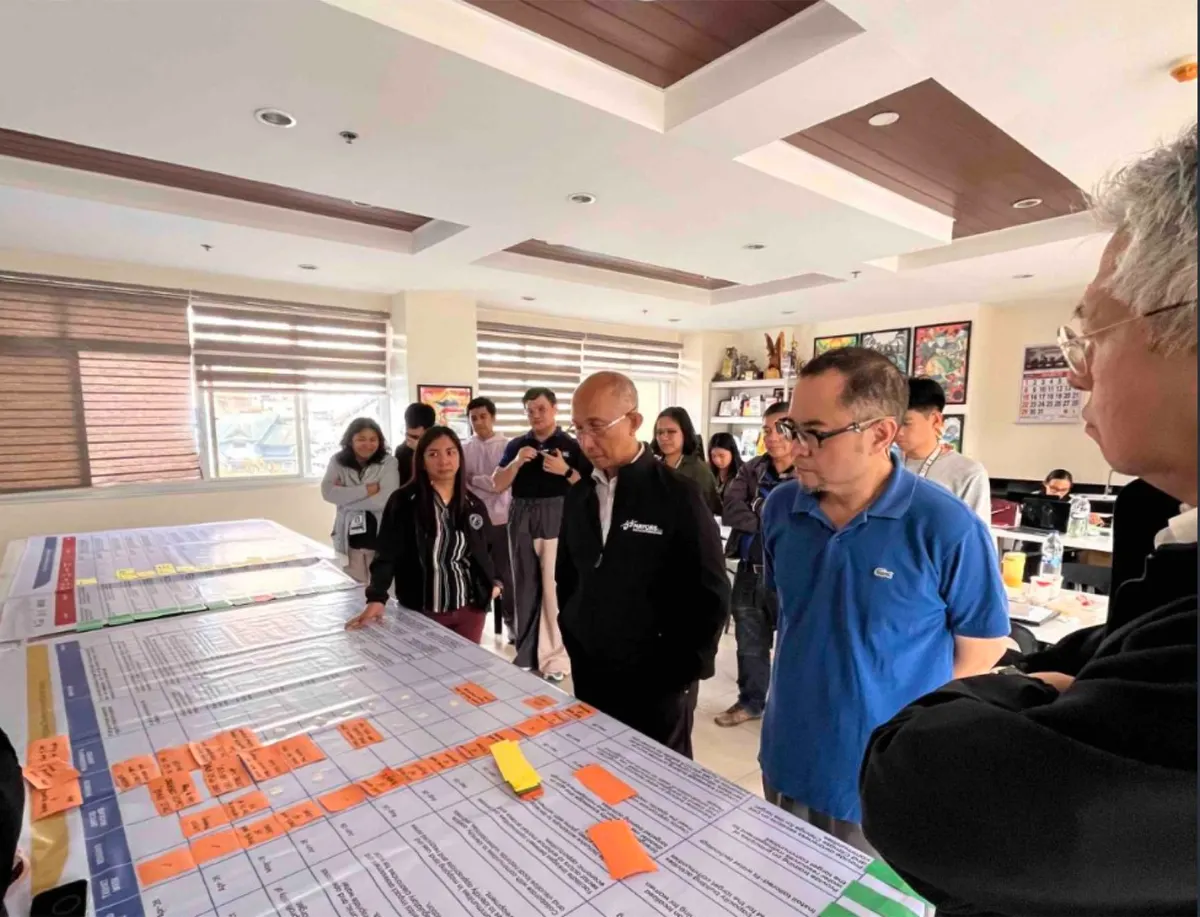
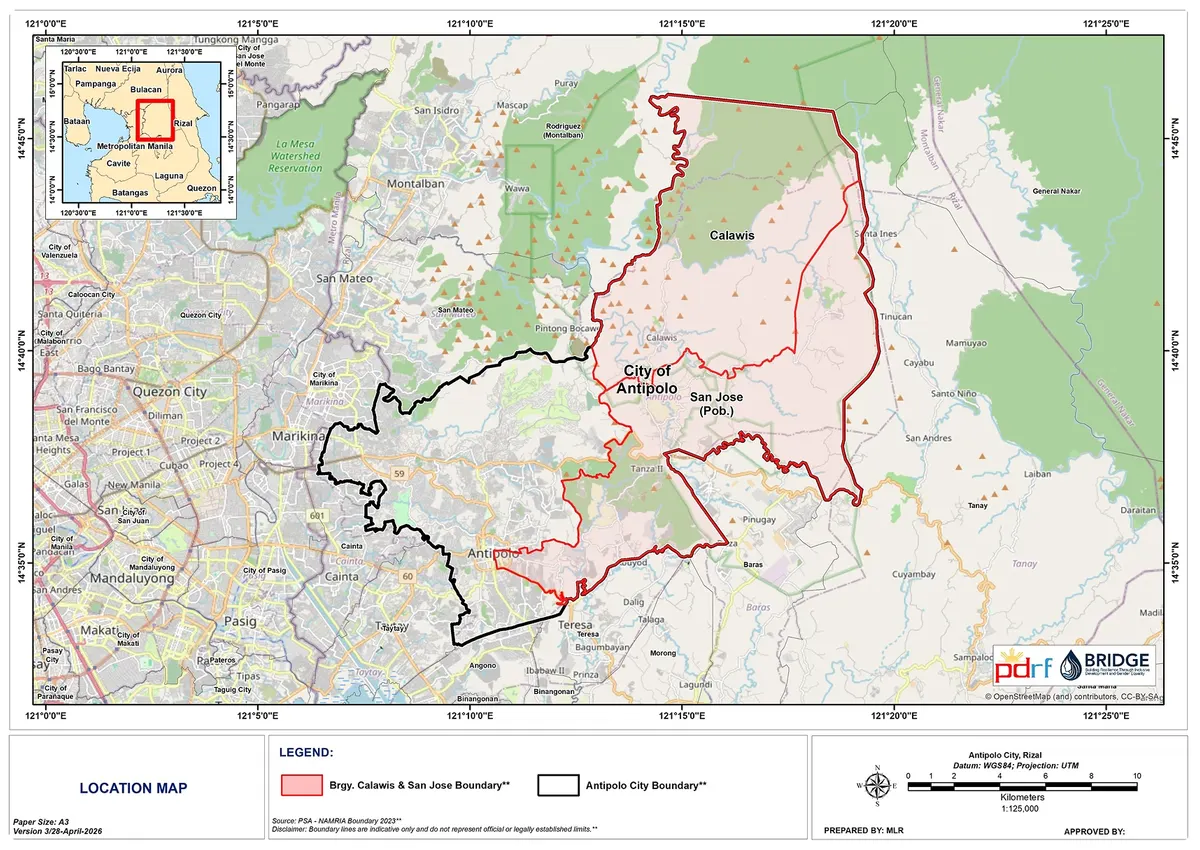
Antipolo City
Barangay San Jose and Barangay Calawis, both situated within the ancestral domain of the Dumagat Remontados.
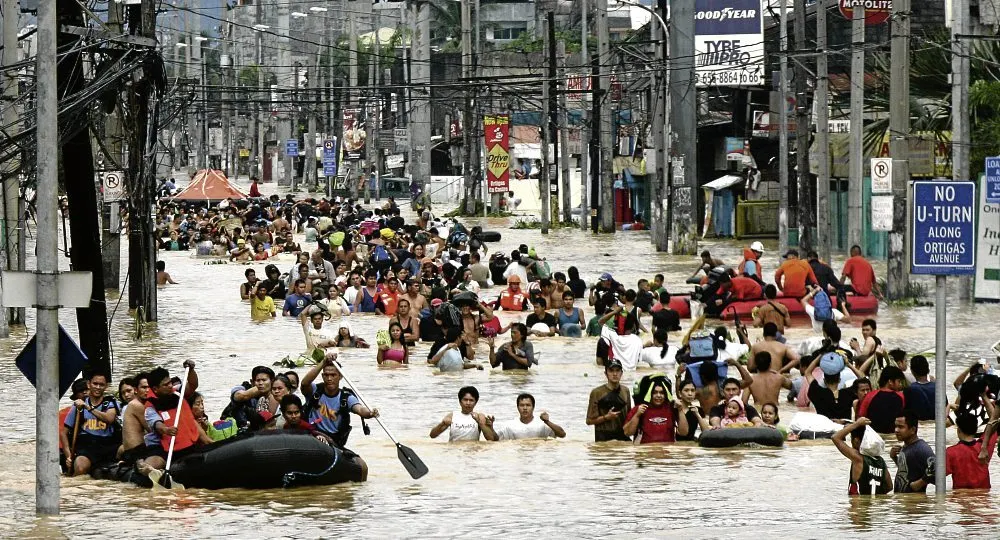
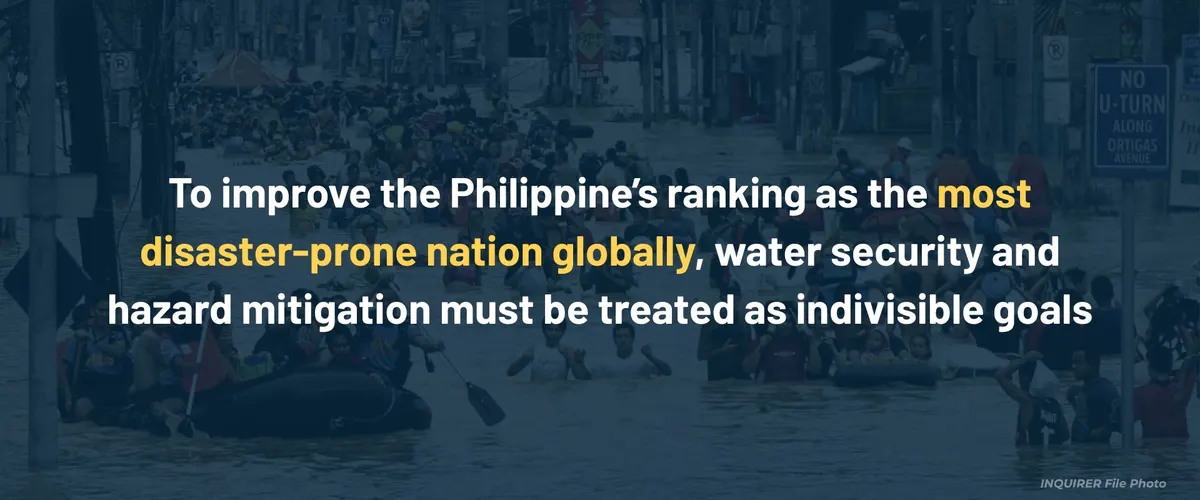
To improve the Philippines' ranking as the most disaster-prone nation globally, water security and hazard mitigation must be treated as indivisible goals.
INQUIRER File Photo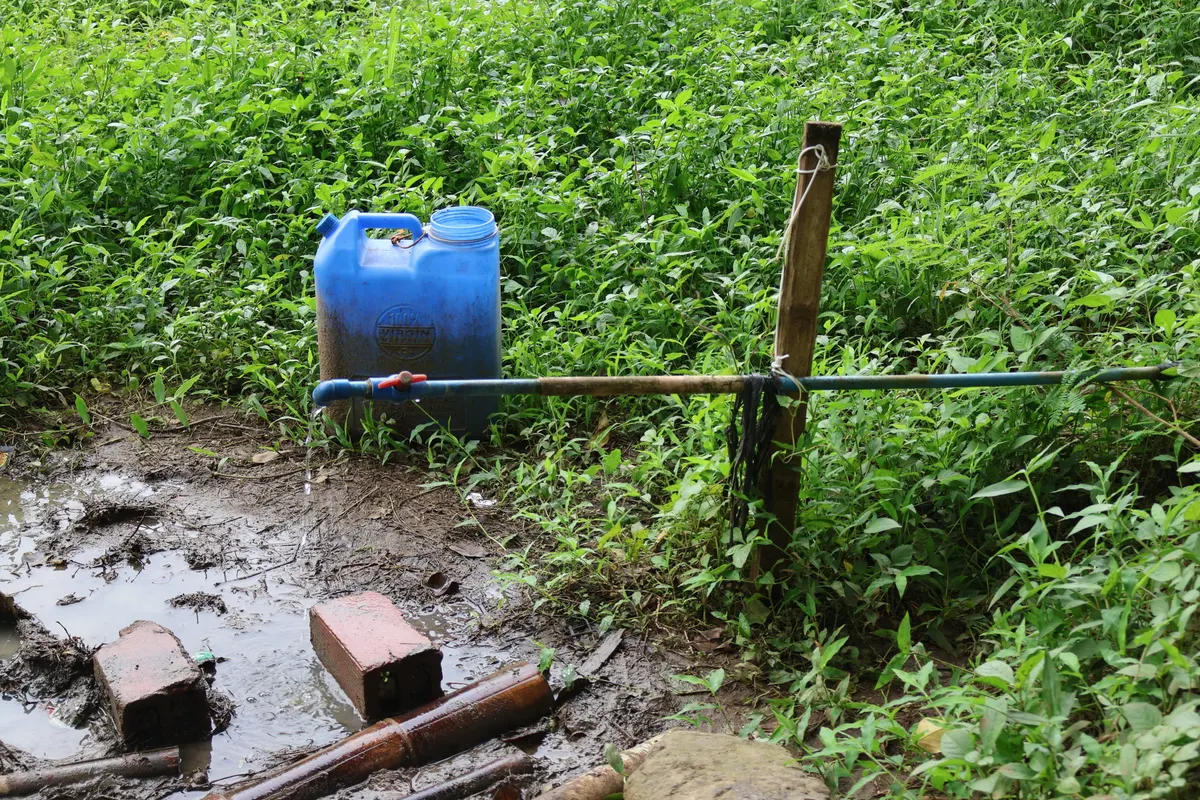
The persistent lack of reliable access to safe and affordable water is a fundamental barrier to progress that entrenches poverty, worsens gender inequality, and limits the nation's capacity to build a resilient future.
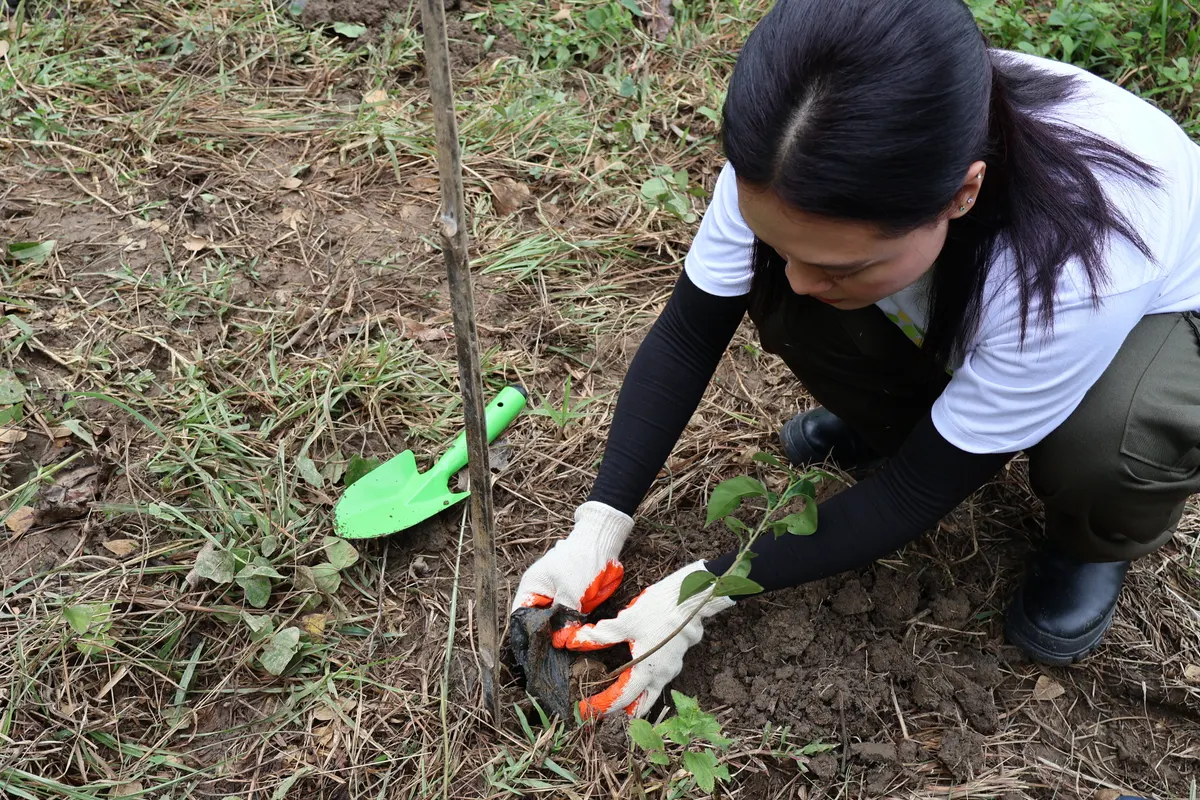
Within the context of BRIDGE Project, we define resilience as “the ability of the communities and local institutions to foster self-reliance in building a sustainable future.”
With the Philippines ranked as the most disaster-prone country in the world by the World Risk Index (2022–2024) due to its high vulnerability and exposure to extreme events, it brings forward the centrality of water in climate change adaptation and highlights the urgency of the need to improve the water resource management in the country.
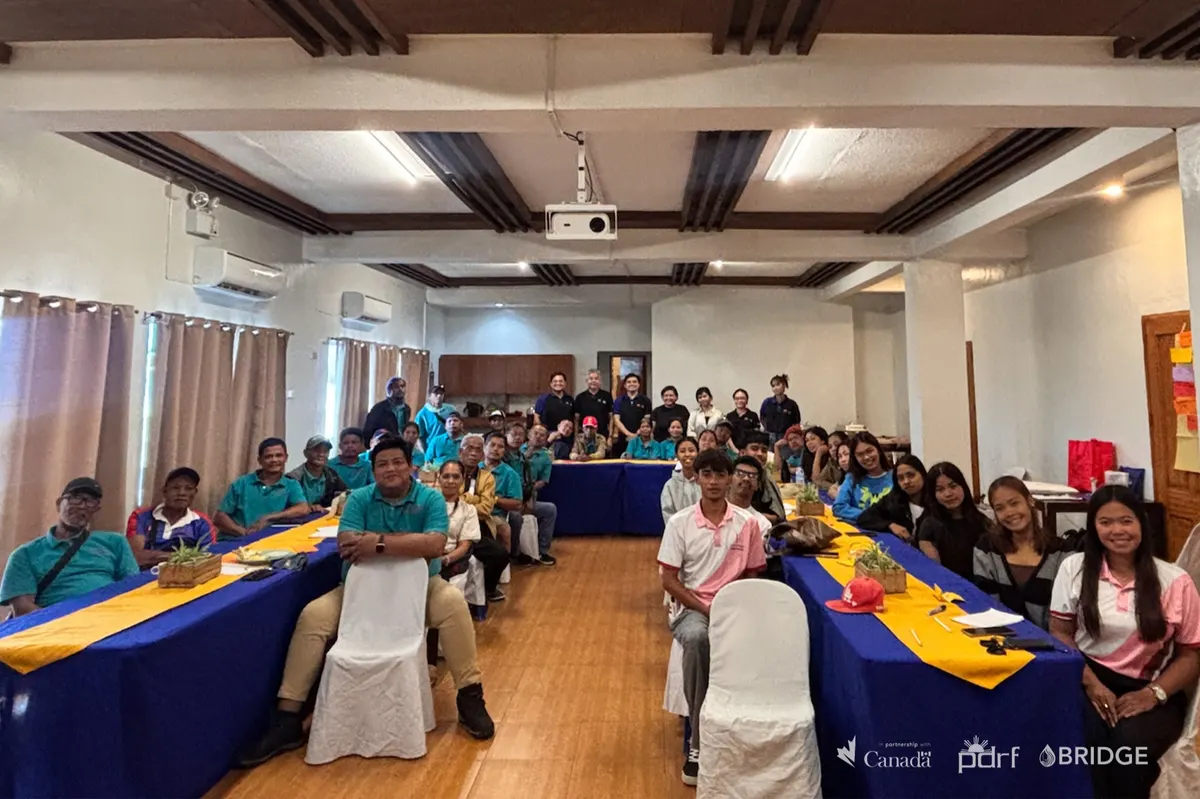
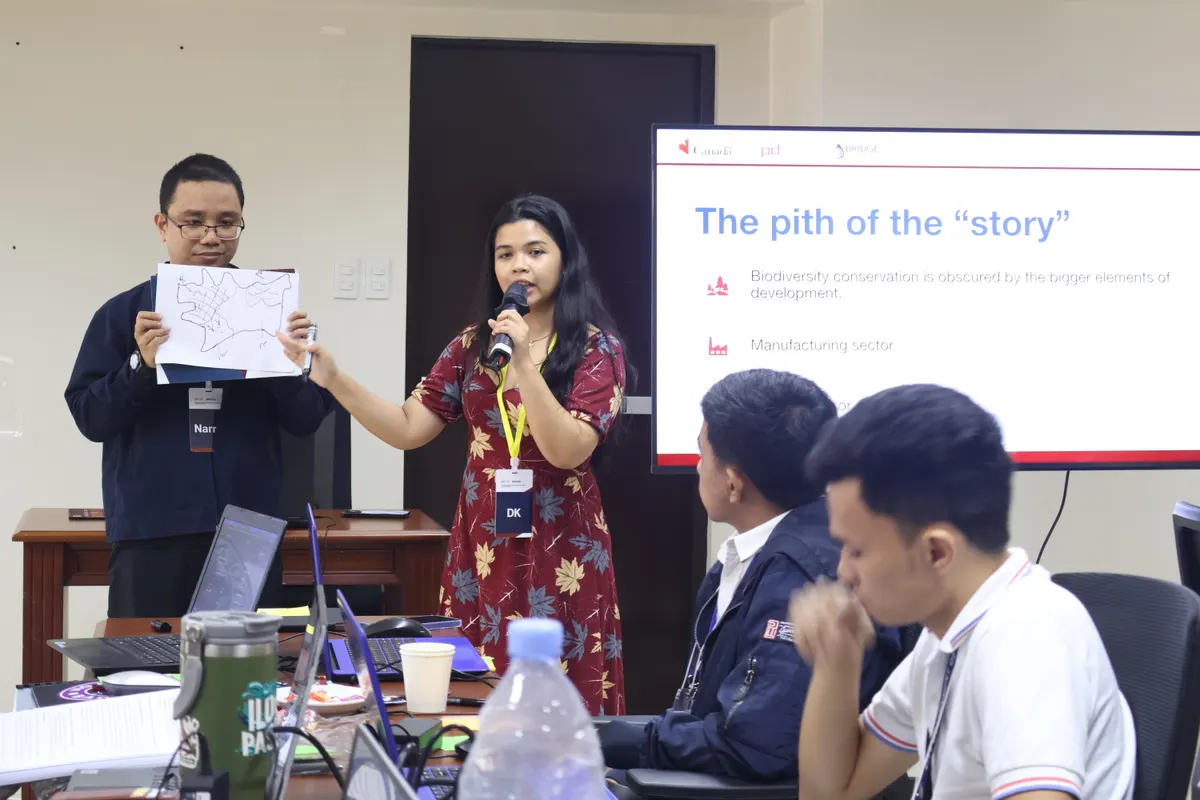
Funded by the Global Affairs Canada, the Building Resilience through Inclusive Development and Gender Equality (BRIDGE) Project aims to enhance the disaster and climate resilience of the cities of Antipolo and Baguio, by strengthening the integrated water resources management capacities of the communities (Indigenous Peoples and Local Communities, Women) and local institutions (Local Government, Private Sector, Civil Society Organizations); and applying gender-responsive practices.
From 2025–2029, the Project will harness private sector expertise, particularly those of the country’s main water concessionaires, and leverage longstanding relations with the government to develop locally-led solutions to water security.
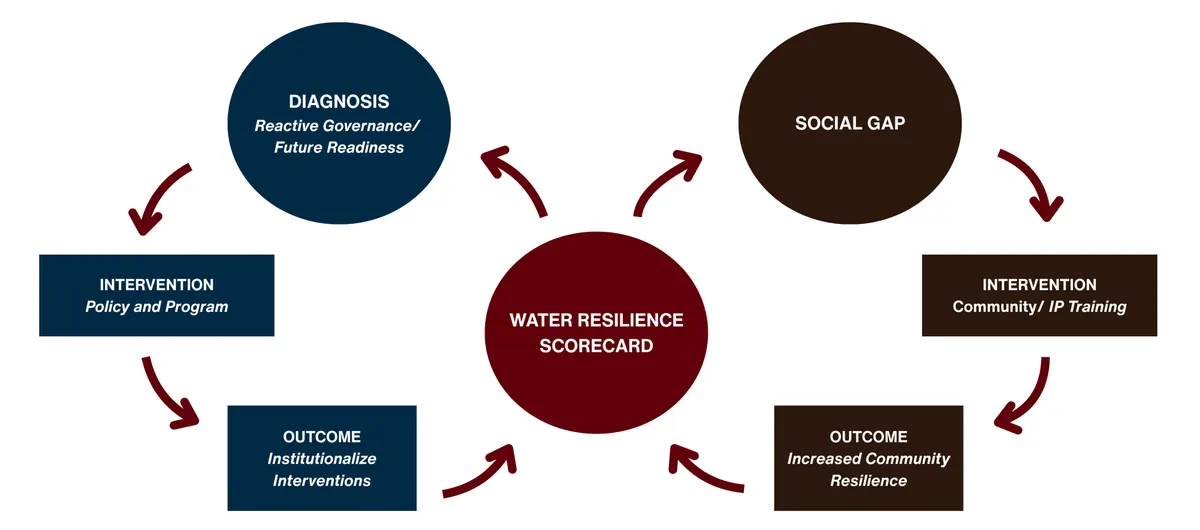
The BRIDGE Project’s Theory of Change is built on the premise that achieving long-term climate and disaster resilience in water-stressed cities like Antipolo and Baguio requires a combined effort of ground-up and the top-down approaches.
At the community level, the project aims to empower residents, particularly women and Indigenous peoples, with the practical training and knowledge in integrated water resources management (IWRM) practices. Meanwhile, at the institutional level, the project aims to equip local governments with data-driven capacity building activities and strong private-sector partnerships in order to develop or enhance gender-responsive IWRM policies.
This dual-pathway approach will be kept on track by a continuous feedback loop using a Watershed Resilience Scorecard, which will serve as a diagnostic tool ensuring that communities and leaders’ progress are measured, as well as continuously adapting their strategies.
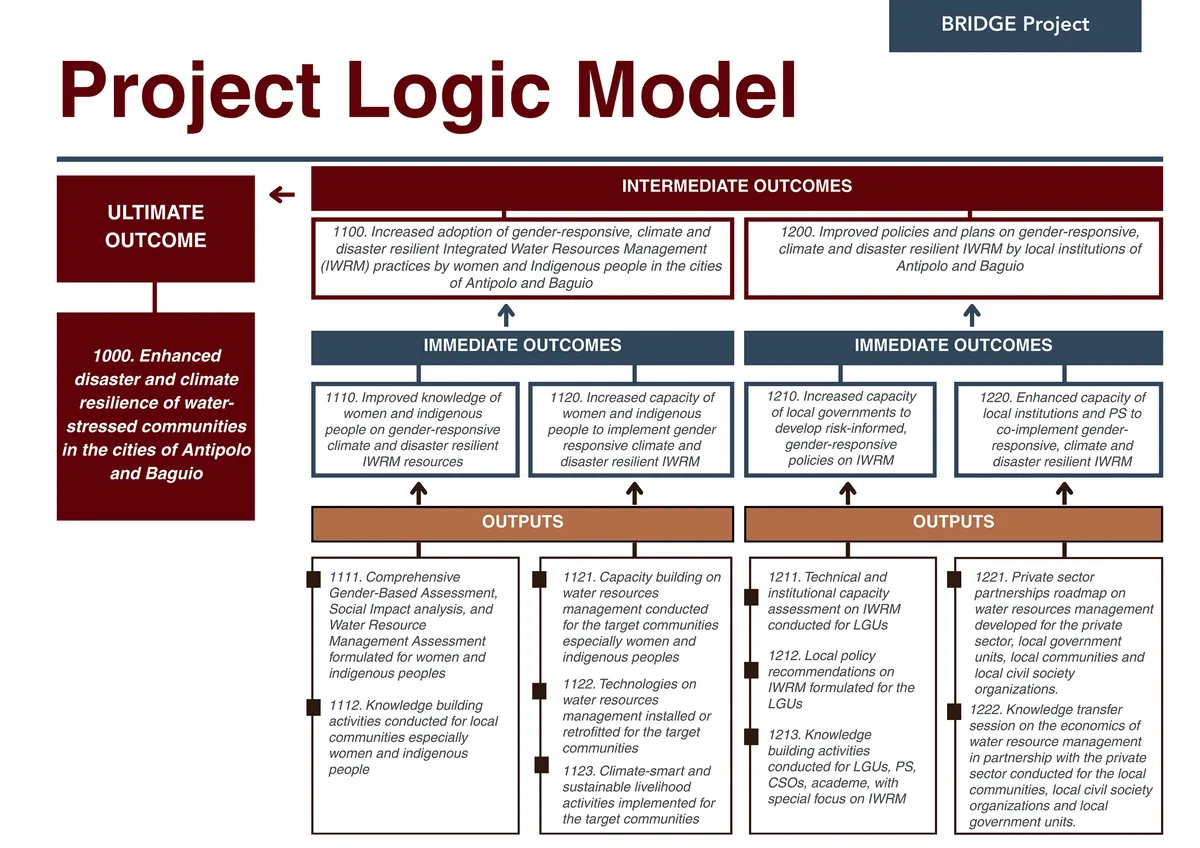
To achieve the ultimate outcome of enhancing disaster and climate resilience in the water-stressed communities of Antipolo and Baguio, BRIDGE Project employs a structured hierarchy of outcomes and outputs divided into two tracks of intermediate outcomes.
Outcome 1 is community-centric, focusing on empowering women and indigenous peoples by improving their knowledge and capacity to adopt resilient Integrated Water Resources Management (IWRM) practices. These is expounded into immediate community outcomes which are driven by foundational outputs such as IWRM workshops, sustainable livelihood programs, and the installation of water technologies. Meanwhile, Outcome 2 focuses on governance, equipping Local Government Units (LGUs) and private sector partners with the technical expertise to develop and co-implement risk-informed, gender-responsive IWRM policies. This institutional track is supported by outputs like technical capacity assessments, local policy recommendations, private sector partnership roadmaps, and knowledge transfer sessions.
2024–2025
Project Inception
2025–2026 (Y1)
Institutional Strengthening
2026–2027 (Y2)
Community-level Impact
2027–2028 (Y3)
Bridging & Advocacy
2028–2029 (Y4)
Innovation & Sustainability
Barangay San Jose and Barangay Calawis, both situated within the ancestral domain of the Dumagat Remontados.
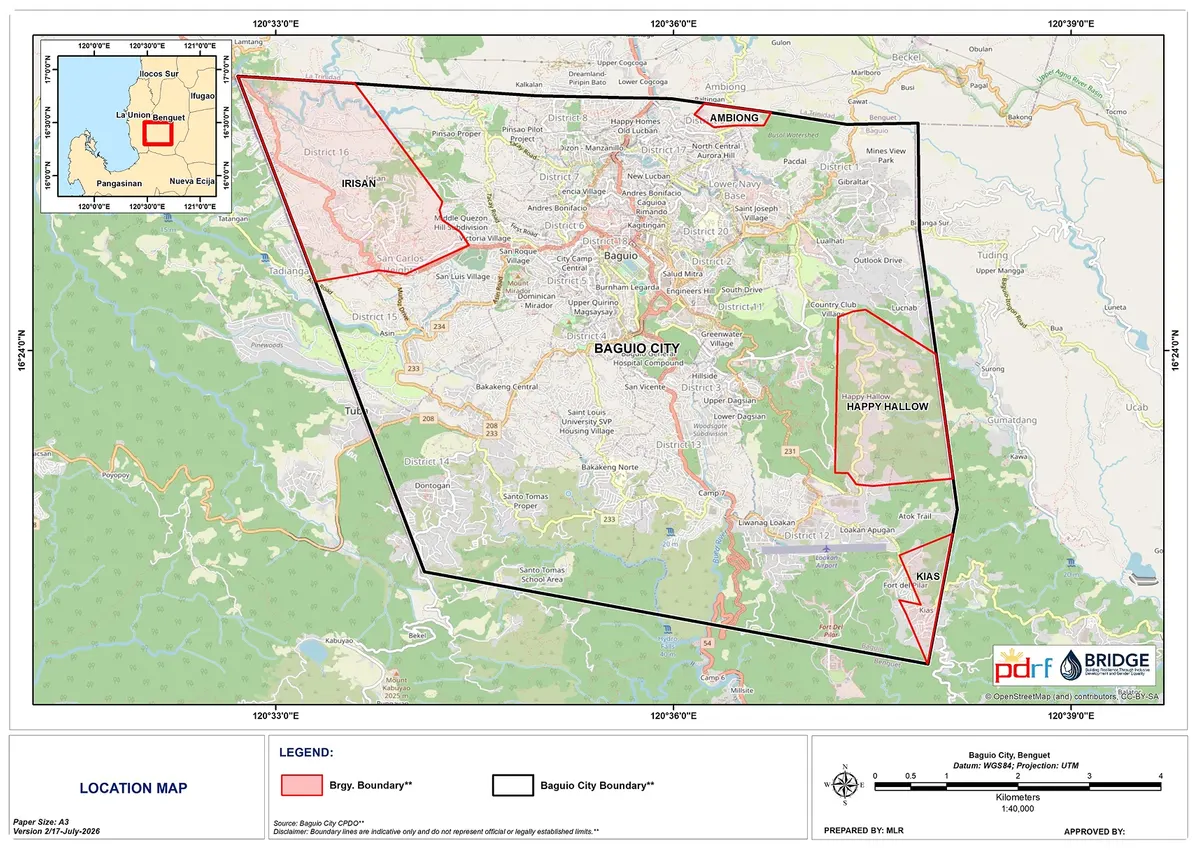
Headwaters of four major river systems — Bauang, Aringay, Bued and Agno — where an average household receives water roughly two days a week.
Despite abundant water sources, the Philippines has been experiencing water stress since 2017, with millions of households without access to safe, adequate, and affordable water and sanitation services, affecting health and livelihoods. This current water crisis is further exacerbated by change and is threatening the country’s economic growth, environmental sustainability, and inclusive development. In response to this, the presence of water-stressed communities is one of the primary criteria set by the BRIDGE in choosing its project sites.
BRIDGE Project selected the cities of Antipolo and Baguio for the implementation due to their unique advantage as headwaters of critical watersheds in the country. Both cities have the distinct geographical attributes (urban, landlocked, upland) ideal for testing varying models of interventions; and is home to communities of indigenous people.
BRIDGE Project is implemented by PDRF through the funding support of Global Affairs Canada. Global Affairs Canada (GAC) is the branch of the Government of Canada that defines, shapes, and advances Canada’s interests and values across the globe; and manages the diplomatic relations, promotes international trade, and provides consular assistance.
Email us at bridgeproject@pdrf.org.ph and let’s explore how we can work together!
Email us at pdrfcentral@pdrf.org.ph and let our Partnership Unit walk you through the process.